GaN, explained simply
Why gallium-nitride chargers run smaller and cooler than the brick that shipped with your laptop.
Updated 2026-06-26
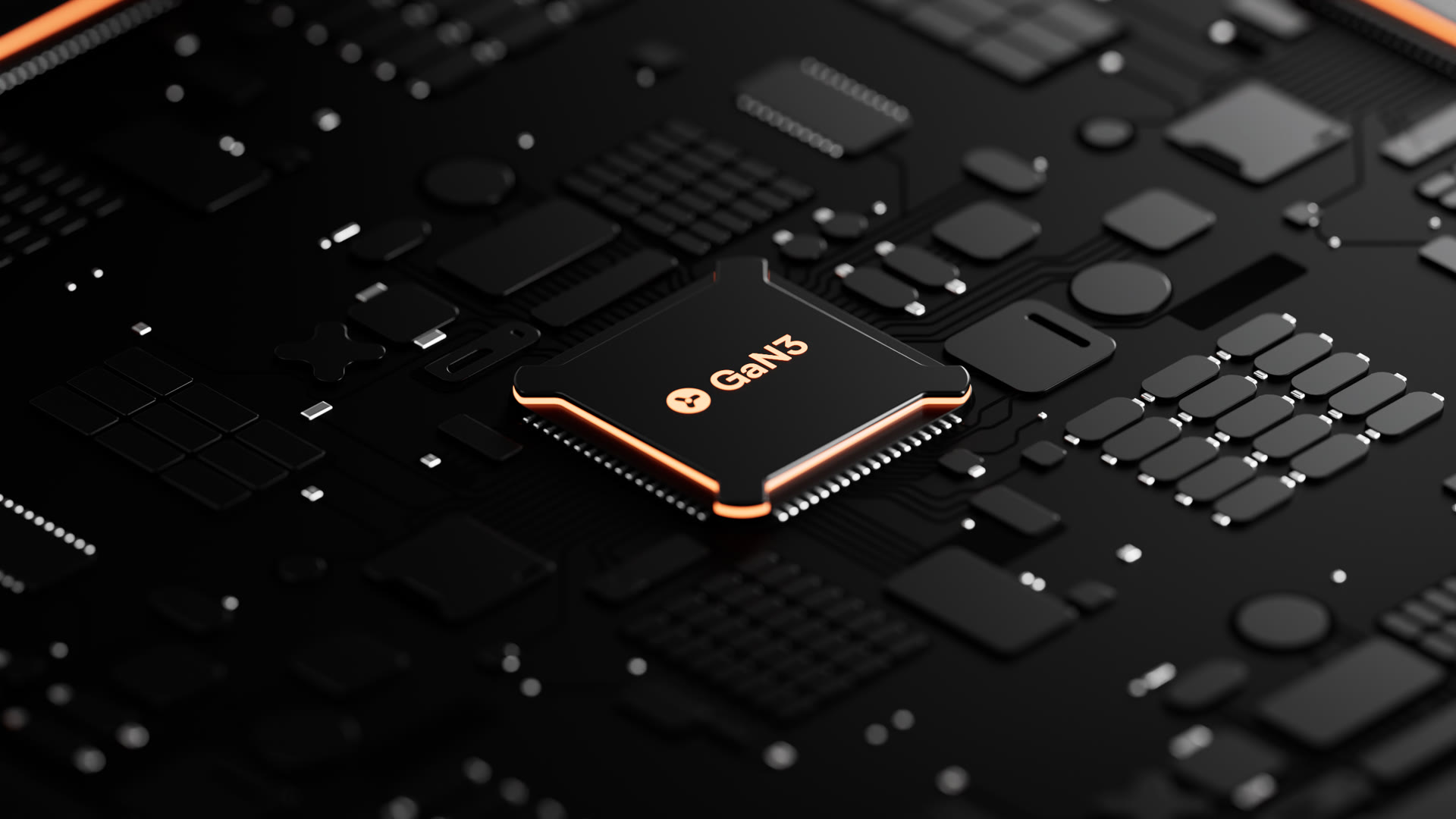
If your new charger is half the size of the old one but charges faster, that's GaN doing the work. Here's what it actually means — no physics degree required.
What GaN is
GaN stands for gallium nitride, a material that replaces the silicon inside a charger's power circuitry. It moves electricity more efficiently than silicon, which means less energy is lost as heat.
Less heat has two happy consequences:
- Smaller. Components can sit closer together without cooking each other, so the whole brick shrinks.
- More power. The same footprint can push more watts — enough to fast-charge a laptop from a plug the size of a phone charger.
Why "III" matters
Each generation of GaN gets denser and cooler. Third-generation parts let a single compact adapter run several ports at once and still stay cool to the touch in your bag.
One pocket-sized brick, the whole bag charging. That's the practical payoff of GaN — not a spec sheet, just less to carry.

What to look for
Total wattage and how it's shared. A 65W GaN adapter can fast-charge a laptop on its own, or split smartly across a laptop, phone and buds when they're all plugged in. That intelligent split is the difference between "charges" and "charges everything, at once."